
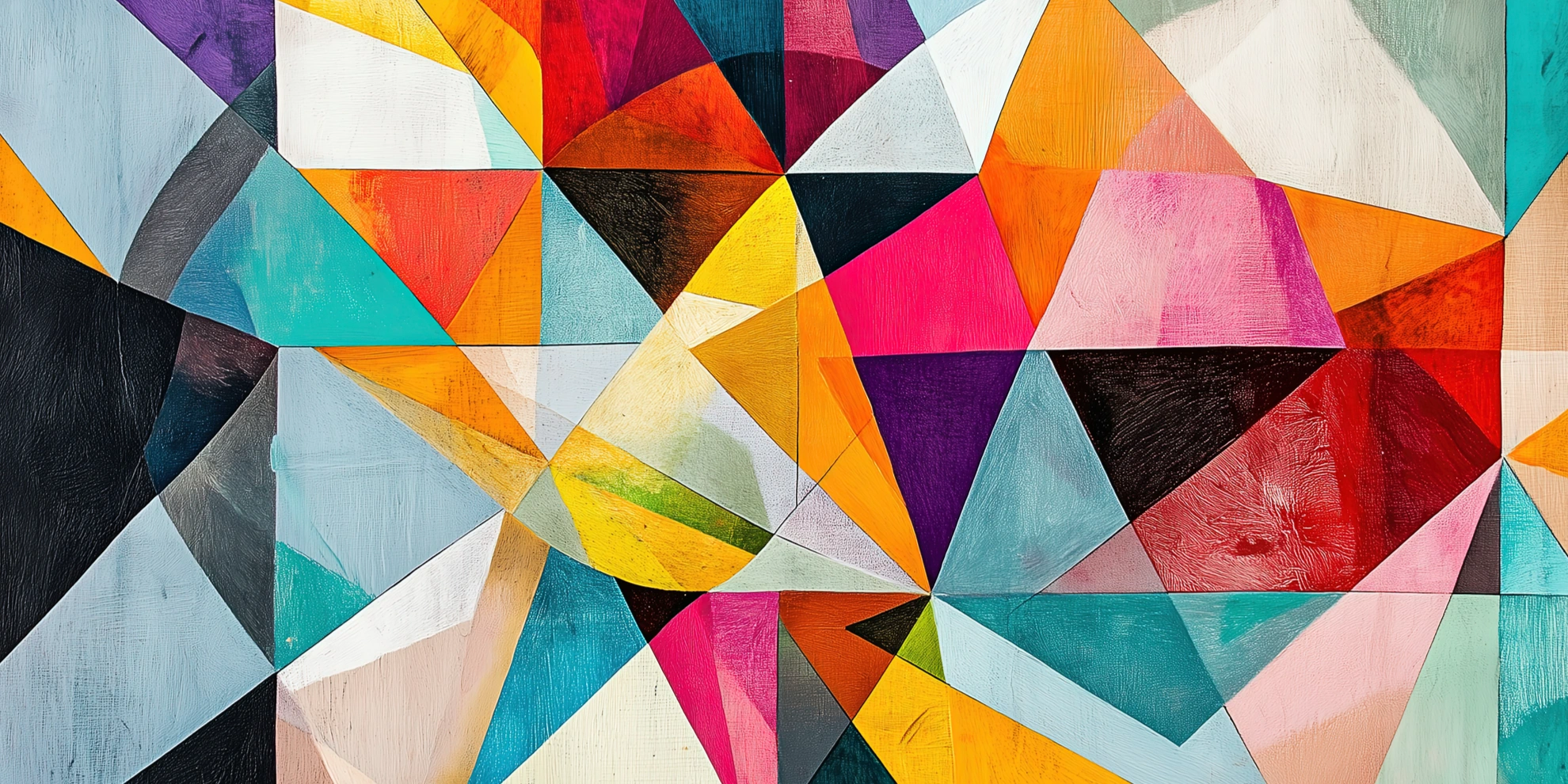
Understanding Abstract Painting’s Impact on Modern Interiors
Abstract paintings art establish a new way of experiencing interior spaces through their ability to deliver unexpected elements and deep reflection and emotional connections which standard functional décor lacks. Abstract canvas prints contain non-representational art which allows people to connect with the artwork through their own individual perspectives and personal life experiences.
Studies about abstract art in domestic environments demonstrate that people experience reduced stress and improved creativity and general health when they view abstract compositions according to extensive research. The abstract art genre produces visual effects through its flowing shapes and color dynamics and textural elements which generate various emotional responses based on the artwork’s position within the home space.
Modern homes obtain multiple benefits from contemporary abstract canvas prints when used as interior decor:
- Versatility in color coordination: Abstract art allows multiple colors to blend different design elements which spread across the entire room.
- Timeless appeal: Non-representational art holds a permanent quality because it goes beyond fashion trends which continue to influence design tastes.
- Emotional resonance: Abstract art produces emotional reactions which transform how people experience their living spaces by generating various feelings and moods.
- Conversation stimulation: People begin discussions when they see abstract art because these artworks reveal deep mysteries that invite audience participation.
- Personal interpretation: People bring their own personal understanding to the artwork so each individual experiences it in their own distinctive manner.
Abstract art presents various size and shape possibilities which create special possibilities for interior decoration. Large abstract artworks establish themselves as dominant elements on wall surfaces while smaller artworks function as components to build gallery walls which preserve visual interest without creating visual overload. The adaptable nature of abstract canvas prints allows them to function well in both expansive living areas and cozy bedroom environments.
The relationship between abstract art and lighting creates a vital subject which needs proper examination in modern interior spaces. The different surfaces and patterns in abstract art respond to light in a way that makes the artwork look different throughout the day because of changing natural and artificial light sources.
Choosing Colors That Complement Your Space
The selection of color stands as a vital element when bringing abstract canvas prints into your home decor. Abstract art achieves its beauty through the creation of complex color relationships which unite different design elements while producing visual excitement and depth within interior spaces.
Your current color scheme knowledge will help you find the right abstract art pieces. Examine the main colors of your room by checking the wall paint and furniture and textiles and architectural details. Abstract canvas prints function to either match the current color scheme or introduce contrasting elements which boost the total design composition.
The method of using complementary colors creates excellent results when applied to abstract art. The room will gain visual tension when you place abstract art with warm orange and yellow and coral tones against a background of blue and gray colors which will make the artwork and room space more vibrant. Warm-toned spaces find equilibrium through the use of cool-toned abstract artwork.
The analogous color scheme functions through the selection of colors which exist next to each other on the color wheel. These combinations generate natural connections which present a unified and elegant appearance. A room that contains green elements would become more peaceful by adding abstract artwork which uses blue-green and yellow-green tones to produce a natural atmosphere.
Review these methods for color strategy development:
- Monochromatic sophistication: The use of different shades and tints from one color family produces unified sophisticated designs.
- Neutral foundation with color accents: Abstract art provides the main color components to spaces which use mostly neutral tones.
- Bold contrast statements: The use of extreme color differences produces energetic modern environments.
- Tonal variations: The different shades of color in the same family create visual depth through small differences in tone without creating strong contrasts.
- Seasonal adaptability: The selected items need to function properly during all seasonal decorating transitions.
The present color base you have will determine how abstract art will show up in your space. Warm grays will interact differently with abstract pieces than cool grays, and understanding these subtle differences helps ensure your art selections feel integrated rather than awkwardly placed.
Metallic accents create a strong effect which people often disregard when they study abstract art. Your design scheme will achieve sophisticated connections between artwork and hardware and light fixtures and decorative accessories through the use of gold silver copper and bronze elements.
Size and Placement Strategies for Maximum Impact
The success of abstract paintings art in changing home aesthetics depends on how big they are and where they are placed. Abstract art does not need to follow size rules because it does not show real things so artists can pick any scale that fits their vision.
The big abstract canvas prints show up as main room features which direct the visual direction of your whole space. The statement pieces achieve their best results when displayed in rooms with tall ceilings and large wall areas and open floor layouts because they make small artworks look unnoticeable. A single large abstract piece produces more visual power than several smaller pieces while maintaining a straightforward design structure.
Medium-sized abstract art works function as flexible design elements which suit most residential areas because they deliver enough visual impact without making the space seem too small. The artworks achieve their best effect when placed above furniture pieces such as sofas and beds and console tables because they create visual connections with the furniture while staying the right size.
The combination of multiple abstract artworks into a gallery wall arrangement produces visual complexity which develops new visual effects through time. The creation of abstract gallery walls needs artists to view all elements as one complete composition while preserving equal distances between pieces and unifying color schemes throughout the entire arrangement.
Strategic placement considerations include:
- Viewing distances: The artwork needs assessment for how it will look from all the different viewing points which exist in the room.
- Lighting relationships: The placement of artworks needs to use available natural and artificial illumination sources.
- Furniture proportions: The artwork needs to stay in correct size proportion to the functional objects which surround it.
- Traffic flow: The placement of valuable artwork needs to be away from areas where daily activities can cause damage.
- Ceiling height considerations: The ceiling height determines the position of hanging art which needs to match the size of the room and its architectural details.
The relationship between abstract art and surrounding negative space needs a thorough investigation. Viewers need proper space to study the intricate details of abstract compositions because this space enables them to understand the complex nature of artistic elements. People should not put too many distracting things near important abstract artworks.
Your placement choices need to function well over an extended time period. The abstract canvas prints function as versatile art pieces which can enhance different areas of your home through their ability to move between spaces based on changing design preferences and seasonal decorating choices.
Creating Focal Points and Visual Interest
Abstract canvas prints function as visual magnets which produce strong focal points that help organize visual elements inside interior spaces. The abstract art pieces function as design anchors because their non-representational style makes them visually appealing through color and form and composition rather than traditional subject matter.
Successful focal point creation with abstract art requires understanding the balance between visual weight and surrounding elements.A bold abstract artwork with vibrant colors stands as the main attraction in the room while all other design elements work to enhance its visual presence. The main design elements maintain their dominance because the subtle abstract pieces produce visual points of interest which do not interfere with the main design elements.
The placement of focal point artwork determines how well it will perform. The display at eye level provides the best viewing position yet viewers will experience different perspectives based on their seated or standing position. The standard hanging height needs to be adjusted because living rooms function as spaces where people alternate between sitting and standing positions.
Lighting plays a crucial role in focal point effectiveness.The visual aspects of abstract canvas prints become more obvious through strategic lighting which reveals their colors and textures and three-dimensional characteristics. Designers should analyze how natural light moves across different times of day while selecting artificial lighting solutions which will make artwork visible during nighttime hours.
Abstract art requires specific methods to generate visual interest:
- Color contrast: Bold color differences create immediate visual attention and energy.
- Textural variety: Canvas prints with varying surface treatments add dimensional interest.
- Scale relationships: The use of unanticipated size dimensions results in enduring visual effects according to the theory of scale relationships.
- Compositional dynamism: The audience remains focused on abstract compositions because they show active movement and smooth transitions.
- Layered complexity: Multiple visual elements within single pieces reward closer examination.
You should think about making visual pathways inside your area through abstract artwork. The eye follows the carefully positioned elements which produce a complete design that looks like it was created by a professional. The method functions best when used in open floor plans that require visual unity between different functional spaces.
The connection between focal point artwork and surrounding design elements needs to be handled with care. Your abstract focal points need support from decorative elements which should include textiles and accessories that use colors different from your focal points to prevent artificial coordination.
Mixing Abstract Art with Different Styles
Abstract canvas prints offer a major benefit because they can enhance all types of interior design aesthetics. Abstract art exists outside of specific historical and cultural periods because its non-representational nature allows it to blend with all design styles from traditional to modern.
Abstract canvas prints function as essential decorative components in minimalist and contemporary spaces because they add visual appeal without creating visual noise. The simplified design finds equilibrium through geometric abstracts and color field artworks which introduce human presence to stop the space from appearing like a sterile showroom. The selection of artwork demands careful attention because it needs to enhance the minimalistic design instead of creating visual competition with its clean lines and open spaces.
The fusion of classical and contemporary elements in abstract art enables traditional spaces and transitional areas to unite with each other. Warm color schemes together with natural shapes and intricate designs enable us to show respect for the past while bringing modern elegance into our spaces. Traditional spaces benefit from abstract works which contain gold or bronze frames because they keep the formal atmosphere while incorporating current artistic elements.
The eclectic and bohemian design styles use abstract art to express their creativity through vibrant color schemes and experimental composition methods and mixed media techniques. The environments support abstract artwork because these pieces become too intense for other spaces which have more limited areas yet produce intricate personal spaces that display individual creativity and artistic appreciation.
Successful style integration strategies include:
- Color bridge approach: The color bridge method employs abstract art colors to create visual links between different design elements across the entire space.
- Proportional consistency: Proportional consistency requires designers to keep scale relationships which match the entire design style.
- Frame selection: The selection of frames needs to match the room’s existing metallic and wood finishes.
- Compositional harmony: The selection of abstract artwork needs to match the room’s current visual style through its energy level.
- Cultural sensitivity: The design process requires proper cultural sensitivity because it needs to match abstract selection with existing cultural or historical design details.
Industrial and loft-style spaces need large bold abstract artworks which can stand out against their exposed brick walls and concrete and steel structures. Modern urban living reveals itself through visual contrasts which occur between unrefined building materials and refined artistic arrangements.
Nature-based color schemes and organic shapes in abstract art unite with Scandinavian and Nordic design principles to create a perfect match for the hygge aesthetic. Light, airy abstracts in soft colors enhance the sense of calm and connection to nature that defines these approaches.
Table of Contents
The People’s Choice
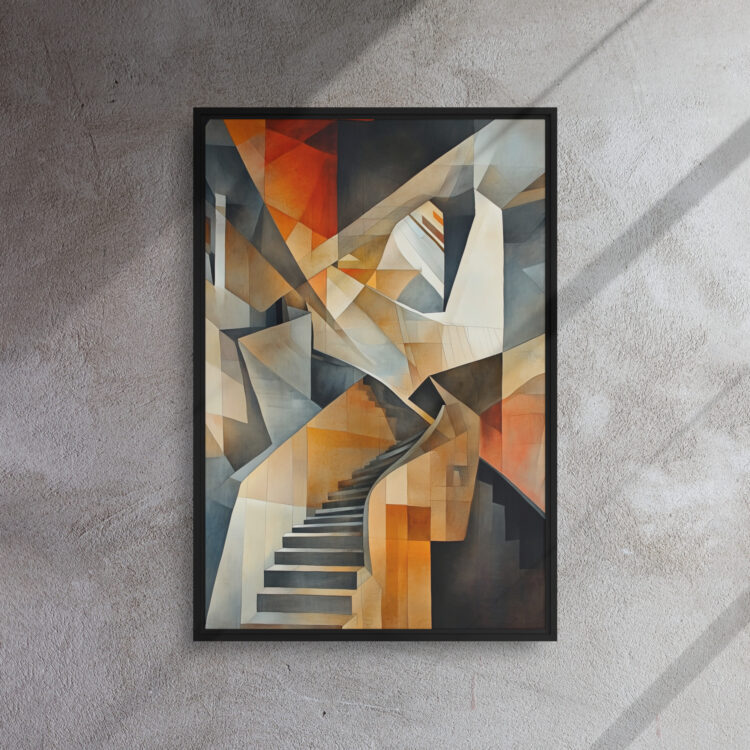
Cubist Ascent Staircase Canvas
Select options
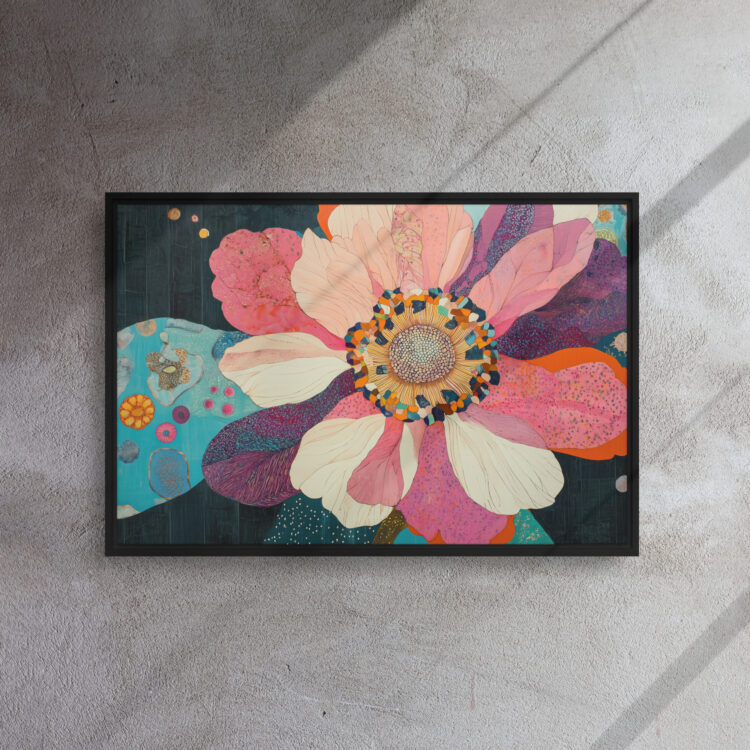
Cosmic Petal Fusion Art
Select options
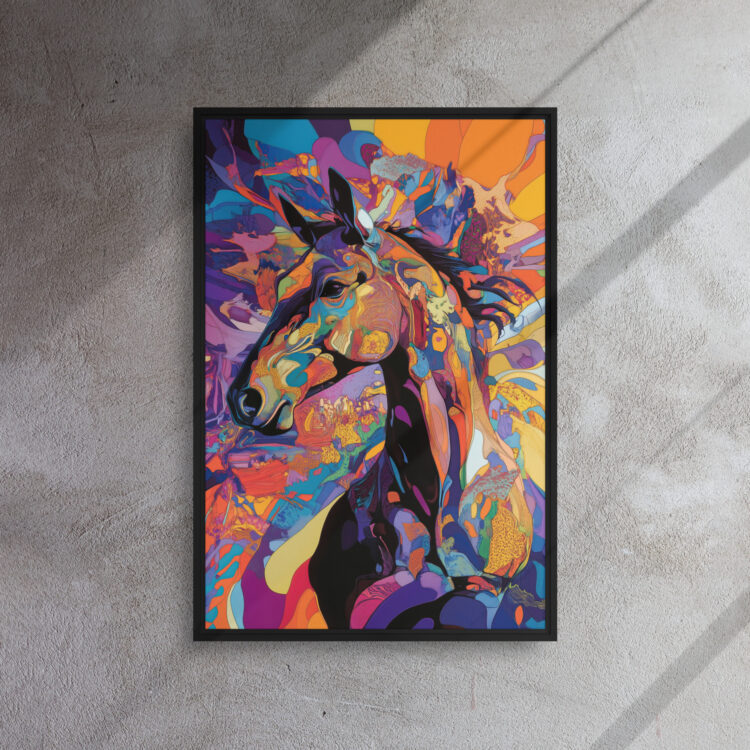
Aurora Blaze Wild Stallion
Select options
Whispering Muse in Color
Select options
Crimson Heron Moon Art
Select options
Enchanted Cypress Garden Walk
Select options
