

Understanding Your Space and Personal Style
Start by examining your environment before you begin studying particular artworks. Observe the room at various times during the day to track how natural light shifts from morning until evening when artificial illumination creates different moods. The size of the artwork should match the room’s architectural features because tall ceilings require bigger art pieces and gallery walls but smaller rooms look better with smaller artwork.
Your personal style should function as the basis for selecting any piece of art. Think about what makes you feel comfortable and inspired:
- Do you gravitate toward clean, minimalist designs?
- Would you choose to live in a home which sports bright colorful patterns or one which has simple plain white walls?
- Would you rather look at nature scenes or abstract art?
- Do vintage-inspired pieces speak to you?
You must pick artwork which brings you pleasure when you look at it because there are no correct or incorrect answers in this situation. Think about how you use the space. A home office requires artwork that motivates work efficiency but also produces a tranquil environment yet the dining room needs art which sparks conversations while making guests feel welcome.
Evaluate your decisions by taking into account their ability to endure over time. The market moves through trends but classic works and enduring thematic elements keep their appeal for many years. You should evaluate which artworks will continue to bring you happiness in five to ten years because this evaluation helps you decide between risky and safe investments.
Mastering Size and Scale Considerations
The selection of wall art depends heavily on correct size measurement because this factor serves as the most important requirement yet people tend to make expensive errors during this process. The dimensions of art determine its position in a room because small pieces become invisible on big walls yet large artworks dominate tiny rooms. Your room needs to find equilibrium between visual elements which should boost its appearance without taking control of the entire space.
The artwork which you place above your furniture including sofas and beds and console tables needs to measure between two-thirds and three-quarters of your furniture width according to standard guidelines. The design achieves visual stability because the furniture creates a stable base which connects to the wall through its equal proportions. The rule functions as a method to determine which collection of multiple small pieces forms one complete unit.
Ceiling height plays a crucial role in size selection.Artwork of grand proportions creates a sense of dread in rooms with eight-foot ceilings but it appears fitting in areas that have vaulted ceilings which would make it unsuitable for regular spaces. The suitable height range for residential spaces extends from 16 to 24 inches when working with standard ceiling heights but the exact measurement depends on wall dimensions and room features.
People who want to create an impact without investing in one big artwork can achieve their goal through gallery walls. The small artworks in these collections fill large wall areas through various display methods which enable viewers to see new pieces on a regular basis. The first step in creating a gallery wall involves placing your artwork on the floor while keeping all pieces at equal distances which should range between 2 and 3 inches for most designs.
Color Coordination and Visual Harmony
A person can create color harmony through matching exact colors because too much matching results in sterile showroom-like environments which lack any personality. The task requires you to find visual equilibrium through color combinations which also create three-dimensional effects and depth in your space.
Identify the main colors which stand out in your room. The elements might originate from furniture pieces and rugs and window coverings and building design components. Your artwork should match the room colors by using similar shades or you can choose opposite colors to make the art and room colors stand out more.
Evaluate these color methods:
- Neutral-toned rooms: Serve as a flexible foundation for colorful artwork since the art provides all the color information.
- Established color schemes: Choose art that uses accent colors instead of trying to match the main color scheme.
- Monochromatic approaches: Choose art that uses accent colors instead of trying to match the main color scheme.
Your current color scheme contains hidden elements which you must consider during the art selection process. Warm grays create different visual effects when paired with artwork compared to cool grays and understanding these minor variations helps you select colors that create balance instead of producing unexplainable visual disturbances.
Frame Selection and Material Quality
The selection of a frame determines how artwork will fit into your space because it has a greater impact than the artwork itself. The selection of a frame needs to balance between protecting the artwork and matching the space’s design elements and artwork style and maintenance needs and room aesthetics.
Traditional spaces benefit from classic frame styles which include ornate gold or silver frames that suit formal rooms and rich wood frames which work well for casual traditional settings. The frames bring additional decoration to the wall while they unite artwork with both conventional furniture and architectural design elements.
The design of contemporary and modern areas needs frames which have simple and unadorned edges. The black white and metallic sleek metal frames match modern furniture and architecture yet they stay out of sight. The fusion of natural wood frames with painted finishes creates a seamless connection between modern and traditional design elements.
Quality considerations include:
- Print quality: High-quality prints on good paper or canvas maintain their appearance for years.
- Frame construction: Well-constructed frames protect artwork better and last longer.
- UV protection: Essential for preserving artwork, especially in rooms with significant natural light.
- Material durability: Archival inks and materials resist fading and maintain color vibrancy.
Painting’s Lab provides museum-grade printing solutions together with archival materials to protect your investment from deterioration throughout time.
Strategic Placement and Hanging Techniques
The proper display arrangement of artwork determines whether your space will receive aesthetic enhancement or experience awkwardly placed pieces. The basic guideline for hanging art at eye level requires placing artworks between 57 and 60 inches above the floor but this rule needs modification according to your environment and ceiling dimensions.
Key placement principles include:
- Relationship to furniture: Leave 6 to 12 inches between the top of furniture and the bottom of artwork.
- Lighting considerations: The display artifacts need placement outside of areas that experience direct sunlight and permanent darkness.
- Traffic flow: Position artwork where it won’t be bumped or damaged in high-traffic areas.
- Gallery wall spacing: Maintain consistent spacing between pieces, typically 2 to 3 inches.
Start your gallery wall by placing the biggest or most valuable artwork in the center before adding additional pieces around it. You should try out different layout options by using paper templates which you can cut to the right size before making permanent wall holes. The edges of gallery walls need to maintain equal weight distribution so they should avoid having too much weight on any single side.
Room-Specific Selection Strategies
Every space exists to fulfill particular functions which need suitable artistic selection methods. The knowledge of these subtle differences allows you to select art which supports functional space operation rather than interfering with it.
The main areas of the house which include living rooms and family rooms function as central spaces where people perform different activities including hosting visitors and spending time with family members. These areas usually display large bold artwork which becomes social discussion points. Choose items which show your interests or your travel experiences because these will naturally start conversations with your guests.
The bedroom space benefits from artwork which creates a tranquil environment to help people achieve deep relaxation and sleep. Choose colors and themes that stay away from extreme stimulation because they can interfere with your relaxation period. Soft landscapes, gentle abstracts, or serene still life pieces often work beautifully in sleeping spaces.
The dining room functions as a space where people can display their art collection while they eat their food. The selected artworks need to stay away from drawing attention away from food while their colors should harmonize with the table setting instead of overpowering it. The illumination in dining rooms undergoes substantial changes between daytime and nighttime hours so you need to evaluate how your artwork will look in different lighting situations.
Artwork in home offices and study areas needs to create an environment which promotes work productivity and mental concentration. The workspace needs art that combines motivational abstract designs with landscape images and professional themes to create a productive work environment. The artwork selection needs to stay away from complex designs which could distract you from your work duties.
Budget-Conscious Selection Without Compromising Quality
A beautiful art collection needs more than financial resources because collectors must understand which artworks deserve investment and which ones should be avoided. The relationship between cost and quality in canvas print enables users to choose the best options which deliver maximum value for their available budget.
You should start by purchasing two or three better quality items before you buy multiple cheaper items for your entire wall space. A single stunning piece can transform a room more effectively than multiple mediocre ones, and you can always add to your collection over time.The method enables users to stay in their area while discovering their natural behavior patterns before selecting new possessions.
Smart budget strategies include:
- Your main focus should center on the areas where you spend most of your time by buying quality items for those locations.
- You will be able to make better decisions about your purchases through the process of collection development which also helps you manage your expenses.
- Select artwork which functions well in various environments and which can adapt to different interior design concepts.
- You should evaluate the cost against the benefits because a single bigger item might deliver superior value than multiple smaller items.
Your artwork will find new life through its ability to function in different areas. Your home organization will stay flexible because your belongings feature flexible colors and designs which transfer easily to new locations when you move or can be moved to different rooms based on your changing requirements. The ability to adapt provides additional worth which exceeds the original cost of acquisition.
Your art collection will naturally develop through time. The combination of seasonal rotations with room rearrangements and new additions will help your spaces stay fresh while showing your evolving taste and life situation.
Your ideal framed canvas print exists when it brings you joy at first sight while improving your home life and creating the desired environment for your daily existence. You will achieve enduring happiness by selecting options that match your individual style preferences and practical requirements for size and color and placement which will create a home that shows your genuine personality.
Table of Contents
The People’s Choice
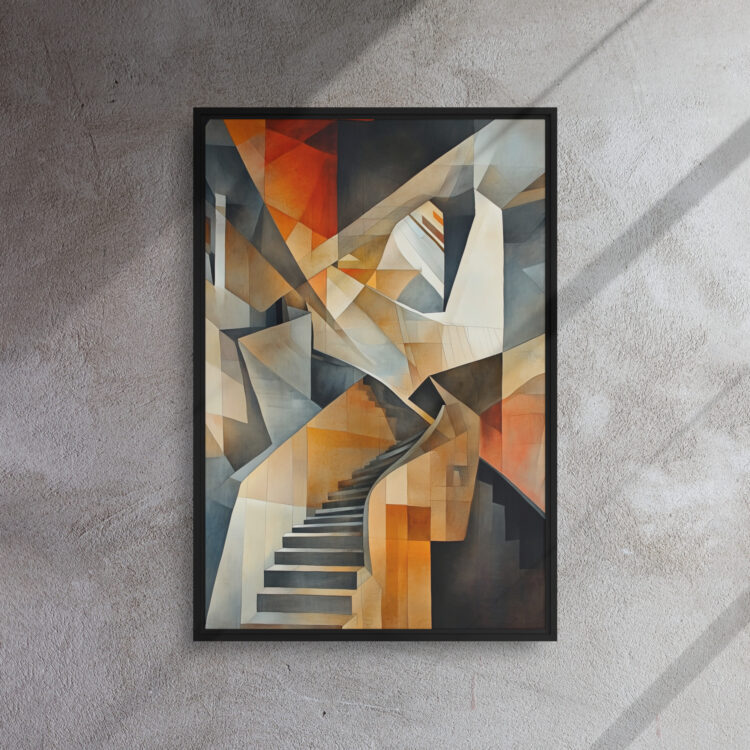
Cubist Ascent Staircase Canvas
Select options
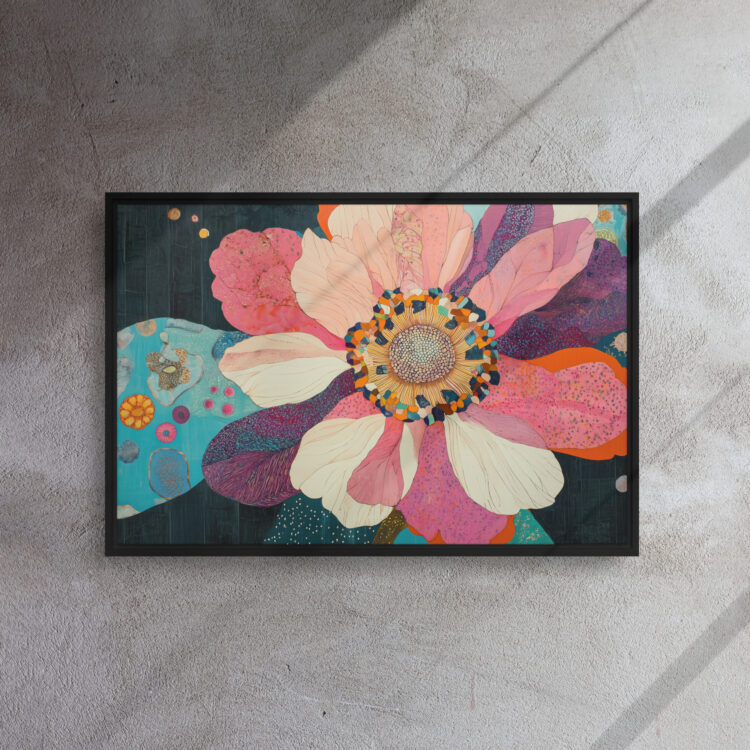
Cosmic Petal Fusion Art
Select options
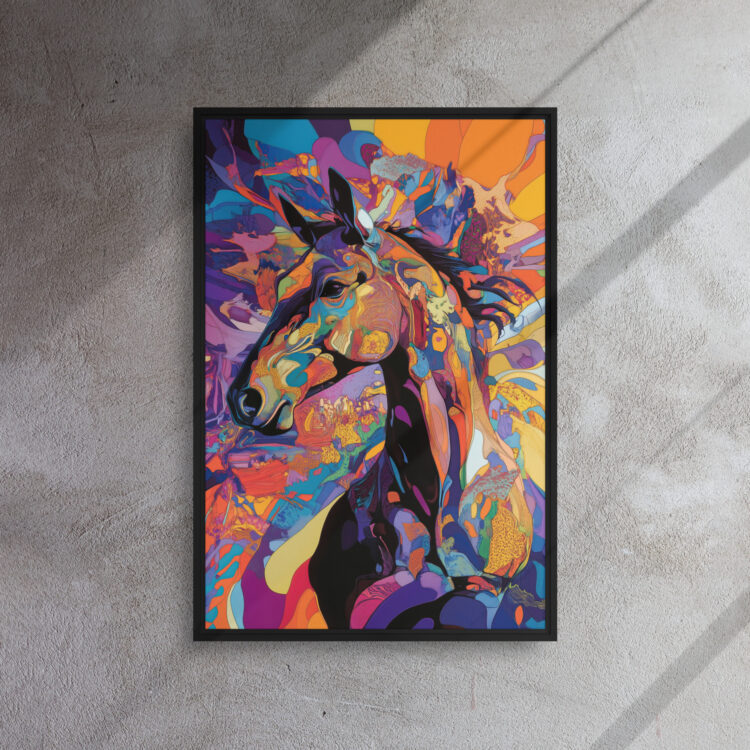
Aurora Blaze Wild Stallion
Select options
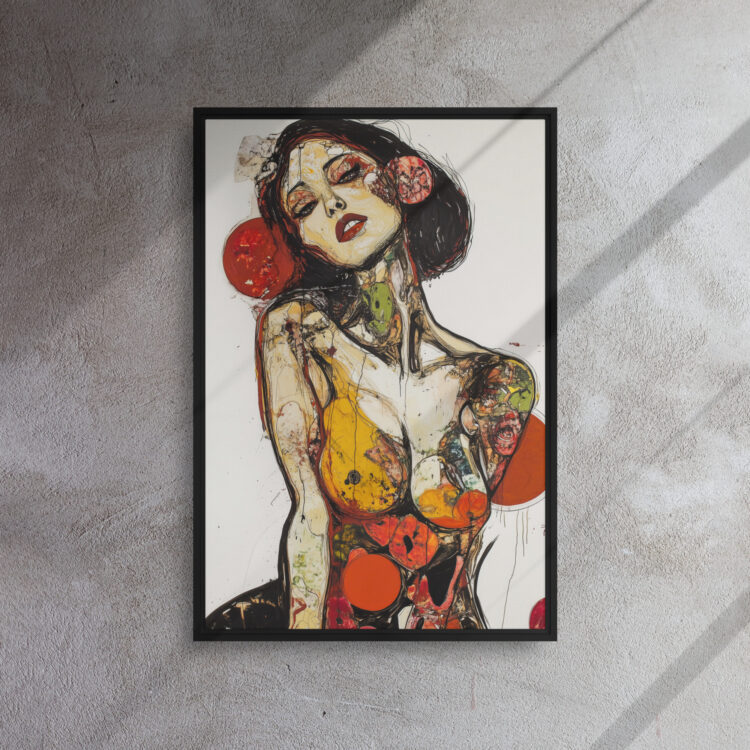
Whispering Muse in Color
Select options
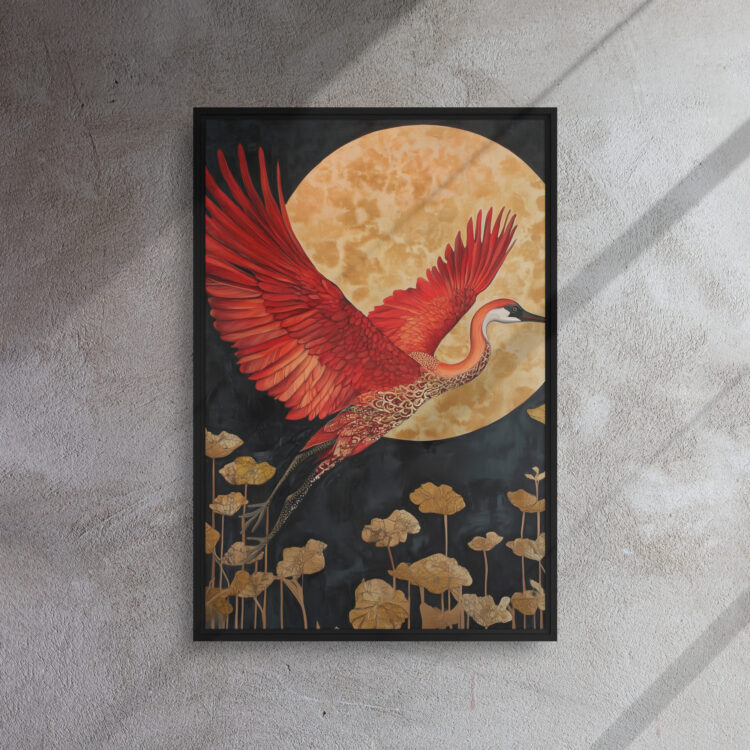
Crimson Heron Moon Art
Select options
Enchanted Cypress Garden Walk
Select options
